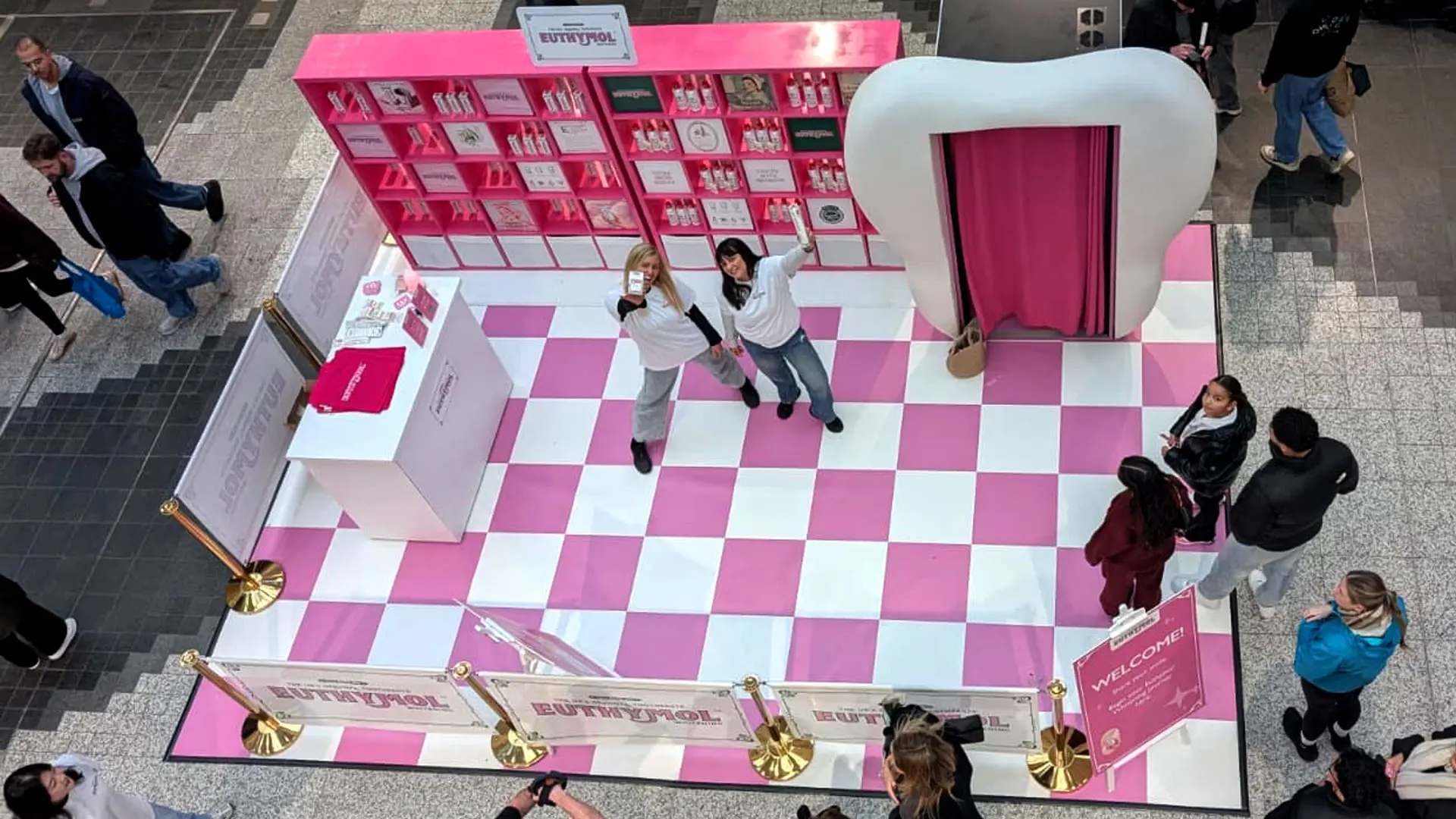
Venue Landscape for Pop-Up Deployments
Tampa's pop-up ecosystem centers on the Tampa Convention Center, a 600,000 Square Foot waterfront facility where the primary exhibit hall spans 200,000 square feet and supports configurations for up to 1,000 10'x10' booths, complete with integrated electric, water, and compressed-air hook-ups that streamline utility-dependent installations like digital kiosks or misting stations. Planners targeting downtown activations benefit from this venue's proximity to Water Street hotels and Channel District hospitality, allowing smooth attendee flow from convention floors to nearby receptions without cross-town travel. The center's 30-foot ceiling heights accommodate hanging signage or overhead experiential elements, while its two show offices and four in-hall cafes support on-site coordination during compressed timelines typical of pop-ups.
Beyond the core, the Florida State Fairgrounds emerges as a powerhouse for expansive, multi-format pop-ups, with venue options including Expo Hall, TECO Arena, Entertainment Hall, equestrian rings, and outdoor spaces scaling from 5,000 to 87,000 square feet, perfect for hybrid events that extend brand experiences into grassy areas for live demos or food truck integrations. This east-side campus caters to consumer shows and public-facing activations, where event rental workflows channel through dedicated portals linking venues, catering, and promoter resources, ensuring planners address fairgrounds-specific protocols upfront. Its location in the Brandon-Riverview corridor provides logistical advantages for trucking in modular structures, contrasting the downtown's riverfront constraints.
- Tampa Convention Center exhibit hall: 200,000 sq ft, 1,000-booth capacity.
- Fairgrounds flexibility: Indoor halls to 87,000 sq ft plus outdoor expansions.
- Right-to-work labor baseline aids scalable crew assembly.
Logistics Coordination in Key Districts
In the Downtown Water Street and Convention Core cluster, pop-up logistics revolve around the Tampa Convention Center's waterfront positioning, where load-in realities involve dock access and hall transitions that demand pre-event scouting to match truck bays with booth footprints, especially for activations drawing from Harbour Island or Ybor City foot traffic. Westshore and Rocky Point areas, led by airport hotels, facilitate quick regional arrivals for traveling pop-up teams, with Ballroom to Exhibit setups in South Tampa properties enabling overflow from larger conventions into intimate brand touchpoints. These zones require mapping attendee paths from parking garages to activation zones, accounting for the high-volume conference rhythm that pop-ups often layer into.
East Tampa's fairgrounds corridor, encompassing Brandon and Plant City access, supports large-scale pop-ups with its array of halls and outdoor venues, where multi-day consumer events provide natural amplification for temporary installations. Planners must integrate fairgrounds' event rental navigation, which bundles venues with catering and FAQs, to secure permits for outdoor extensions that capitalize on the site's equestrian and entertainment infrastructure for unique programming like pet-product samplings or performance-tied promotions. Across all clusters, Florida's open labor market allows tailoring crew sizes to pop-up durations, but venue-managed house services like utilities necessitate organizer buy-in early in the RFP process.
Labor and Contractor Alignment
Florida's Right to Work constitution underpins Tampa pop-up labor strategies, offering an open-market environment where crews can be sourced without mandatory union affiliations, though Tampa Convention Center's exhibit hall utilities and show offices signal reliance on venue-coordinated floor services that exhibitors confirm via manuals. At fairgrounds, the public workflow through Event Rentals, Venues, and Catering sections indicates structured vendor integration, prompting pop-up teams to align with promoter portals for smooth execution amid halls like TECO Arena or outdoor rings. This defensible positioning avoids overpromising on crew autonomy, focusing instead on early exhibitor manual reviews to clarify official service contractor scopes.
Hotel and resort properties such as Seminole Hard Rock Hotel & Casino Tampa, with its 800 guestrooms and gaming adjacency, extend pop-up possibilities into conference ballrooms where labor postures emphasize planner support over rigid rules, allowing flexible setups for sponsor buyouts or nightlife activations. Similarly, cultural sites like the Straz Center for the Performing Arts or Tampa Museum of Art host reception-style pop-ups, where event teams navigate performing arts logistics or gallery footprints without verified blanket labor restrictions, reinforcing the need for site-specific coordination in Florida's Non Union Default framework.
- Right-to-work status: No denial of work based on union membership.
- Venue cue: Confirm utilities, catering, and organizer rules pre-build.
- Safe default: Depend on exhibitor manual and service contractor.
Utility and Infrastructure Essentials
Pop-up success in Tampa hinges on venue infrastructure, exemplified by the Tampa Convention Center's hall-wide electric, water, and compressed-air hook-ups that power everything from LED walls to interactive beverage dispensers, with 30-foot ceilings enabling vertical elements without clearance issues. Planners must request show office access for real-time adjustments, as the facility's four cafes double as crew break areas during intense build phases. Fairgrounds venues like Expo Hall or Entertainment Hall scale utilities to their 87,000 Square Foot maxima, supporting outdoor extensions where portable power solutions bridge gaps for weather-resilient activations.
Westshore conference hotels and east-side resorts like Saddlebrook, with over 95,000 square feet north of Tampa, provide ballroom power grids suited to smaller pop-ups, while Seminole Hard Rock's resort amenities integrate event spaces with spa and pool adjacencies for wellness-themed temporary shops. Coordinating these requires RFP-stage venue queries via Visit Tampa Bay's facilities search, ensuring compressed-air lines or water sources match pop-up tech like fog machines or hydroponic displays, all within Florida's venue-managed service paradigm.
Activation Formats and Venue Fits
Tampa pop-ups excel in formats leveraging the convention center's 200,000 Square Foot hall for booth-dense product launches or the fairgrounds' TECO Arena for arena-scale immersions blending equestrian spectacle with brand zones. Downtown cultural venues like the Straz Center support entertainment-driven pop-ups with Broadway-adjacent receptions, while the Tampa Museum of Art's Antiquities to Contemporary galleries frame luxury receptions or art-tied activations near the convention core. Seminole Hard Rock's 245,000 Square Foot gaming floor and 800 rooms amplify casino nightlife pop-ups, drawing conference crowds into gaming-infused sponsor events.
These fits demand district-aware planning: Water Street hybrids flow from convention exhibits to rooftop receptions, Westshore roadshows use airport ballrooms for quick-turn tech demos, and fairgrounds outdoor spaces host fair-season extensions like food festivals with modular stalls. Florida's labor flexibility supports format-specific crews, from rigging specialists for Straz keynotes to logistics hands for fairgrounds tear-downs, always vetted against venue exhibitor rules.
- Convention hall: Booth-heavy retail pop-ups.
- Fairgrounds: Indoor-outdoor consumer shows.
- Cultural sites: Gala and reception activations.
Execution Timeline and Wrap-Up
Pop-up timelines in Tampa compress around venue load-in windows, with convention center waterfront docks prioritizing early trucking for hall utilities activation, followed by 24-48 hour builds respecting 1,000-booth density limits. Fairgrounds multi-venue navigation requires phased setups across Expo and Entertainment Halls, syncing outdoor elements with indoor flows via rental portal approvals. Post-activation, tear-downs leverage Right to Work crew scalability for rapid clears, coordinating with show offices or promoter teams to vacate spaces like the center's 36,000 Square Foot largest room or fairgrounds' 87,000 Square Foot expanses.
Regional spillovers to Pinellas Gulf or Saddlebrook resorts extend timelines, where hotel ballrooms demand Banquet to Exhibit resets for Back to Back programs. This rhythm underscores pre-event RFP support from Visit Tampa Bay, ensuring pop-ups align with Tampa Bay's convention calendar without overextending venue capacities.
Sponsorship and Traffic Amplification
Pop-ups gain traction by tying into Tampa's clusters, like Channel District hospitality boosting convention-core activations or Ybor City's vibe enhancing fairgrounds draws. Seminole Hard Rock's pools, spa, and restaurants layer nightlife onto east-side pop-ups, while Straz Center programming amplifies downtown sponsor events with theater crowds. Planners amplify via Water Street foot traffic or Westshore airport surges, coordinating utilities and labor to sustain high-engagement zones throughout event durations.
Fairgrounds' consumer-show heritage supports public-facing pop-ups, with equestrian rings hosting pet or agrotech demos that draw regional attendees from Hillsborough to Polk Counties, all within venue-managed frameworks.